
Stablecoins stop your crypto money from jumping up and down in value every hour. When regular coins drop fast, these special digital tokens stay right at one US dollar. They give you a safe place to park your funds without changing your money back into cash at a traditional bank.
A stablecoin is a digital token tied to a real asset like the US dollar or gold. If you own one coin, it stays worth one dollar today, tomorrow, and next month. It mixes the speed of digital money with the steady value of cash you keep in your wallet.
Why Regular Crypto Moves So Much While Stablecoins Stay Put
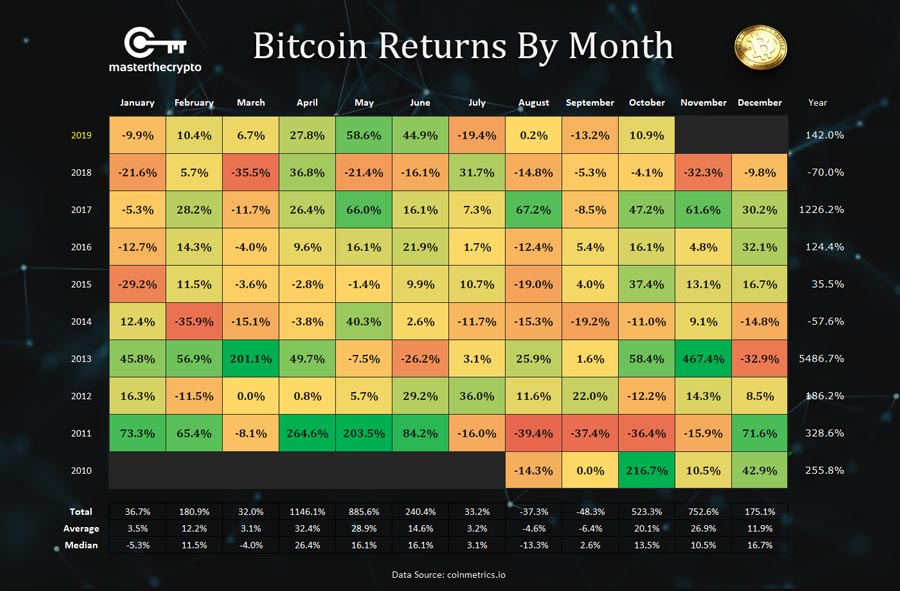
Bitcoin can jump five percent while you eat breakfast. That happens because people buy and sell it based on what they think it will be worth next year. Nobody sets the price, so the market moves wild every single day.
Stablecoins do not work like that. A company prints them to match real money held in a safe place. For every coin you see on the screen, there is a real dollar sitting in a bank account. That link keeps the digital price locked right at one dollar.
Think about a paper ticket for a coat check. The paper ticket is not a warm coat. But as long as the hall has your coat in the back room, that ticket is worth one coat. If you want to learn more about the basic network behind these tokens, read about What Is Blockchain Technology and How It Works to see how they move online.
How Do Stablecoins Keep Their Value at One Dollar?
How do these tokens stay at one exact price when the rest of the market crashes? The main trick is simple backing. Companies use three main ways to keep their promises to users.
First comes cash backing. This is the simplest type. A company gets one million real dollars from investors. Then they make one million digital tokens. If you bring them one token, they hand you back one real dollar bill. Tether and USD Coin use this simple setup.
Second is crypto backing. Some tokens use other coins like Bitcoin as collateral. Because crypto prices change fast, these systems put in extra money for safety. They might hold two dollars of Bitcoin to make one single dollar token. If Bitcoin falls a little bit, your dollar token is still fully safe.
Third is computer code backing. These are called algorithmic tokens. No cash sits in a vault for them. Instead, smart software creates or burns extra supply to push the price back to one dollar. This type carries much higher risk because software can fail when markets panic.
Why Do People Use Tokens Tied to Cash?
You might wonder why anyone wants a crypto token that never goes up in price. If it stays at one dollar, you will not get rich holding it. People use them every day for three clear reasons.
- Fast trades: Moving money from a bank into a trading site can take three whole days. Moving digital cash takes only two minutes.
- Safe harbor: When prices drop fast, traders swap risky coins for dollar tokens to protect their gains.
- Global payments: Sending money to family in another country often costs high fees. Sending dollar tokens costs very little and takes seconds.
Imagine living in a place where your home currency loses value every week. Holding real dollars might be hard or illegal locally. Getting dollar tokens on a simple phone app lets people save their hard earned money safely.
The Real Risks You Take With Fixed Value Tokens
These tokens sound very safe, but they carry real risks you must understand. They are not the same as money inside a regular bank. Your bank deposit has government protection up to high limits. Crypto tokens do not have that safety net.
One big risk is called de-pegging. That happens when a token loses its link to the dollar and drops to ninety cents or less. In May 2022, a famous token named TerraUSD lost its dollar link completely. Millions of people lost their money in just a few days because the system broke down.
Another risk comes from the companies running the tokens. You must trust that the company actually holds the bank cash they claim to have. Some companies show third party receipts every month to prove their cash reserves. Others keep their bank details quiet, which makes cautious buyers worried.
Regulators across the world are watching these tokens closely now. Government groups want to make sure these business groups hold real cash reserves. New rules might change how easy it is to buy or hold these tokens in your home country.
How to Choose and Use Dollar Tokens Wisely
If you want to use dollar tokens, pick ones with a long track record of safety. Look for companies that publish audit reports from independent accountants every single month. Clear reports show the company has nothing to hide from the public.
Never keep all your personal savings in digital assets. Treat them as tools for fast trading or quick payments, not long term bank accounts. Spread your holdings around so a single company problem does not hurt your life savings.
Check the exact network fees before you send money. Moving tokens on main Blockchain rails can cost ten dollars during busy hours. Moving those same tokens on newer networks might cost less than a single cent.
Keep your digital tokens in a private app where you hold your own keys. Leaving your assets on a trading app means the company controls your money, not you. You can check our crypto guide blog to find safe ways to hold your own funds.
What Comes Next for Digital Cash
Digital cash is changing how the world moves value every day. Big payment companies now let shop owners accept dollar tokens at regular checkouts. You can pay for a coffee with a digital token just as easily as tapping a plastic credit card.
Central banks in many nations are testing their own official digital coins now. These official project tokens will be run directly by governments instead of private companies. That move could change how private tokens work over the next ten years.
For now, fixed value tokens remain the main bridge between your local bank and the digital asset world. They make moving funds simple, but they need the same care you give to any investment online. Always read the facts before you put your hard earned cash into any digital asset system.
Which dollar token will you check out first for your own wallet?
Comments
Post a Comment